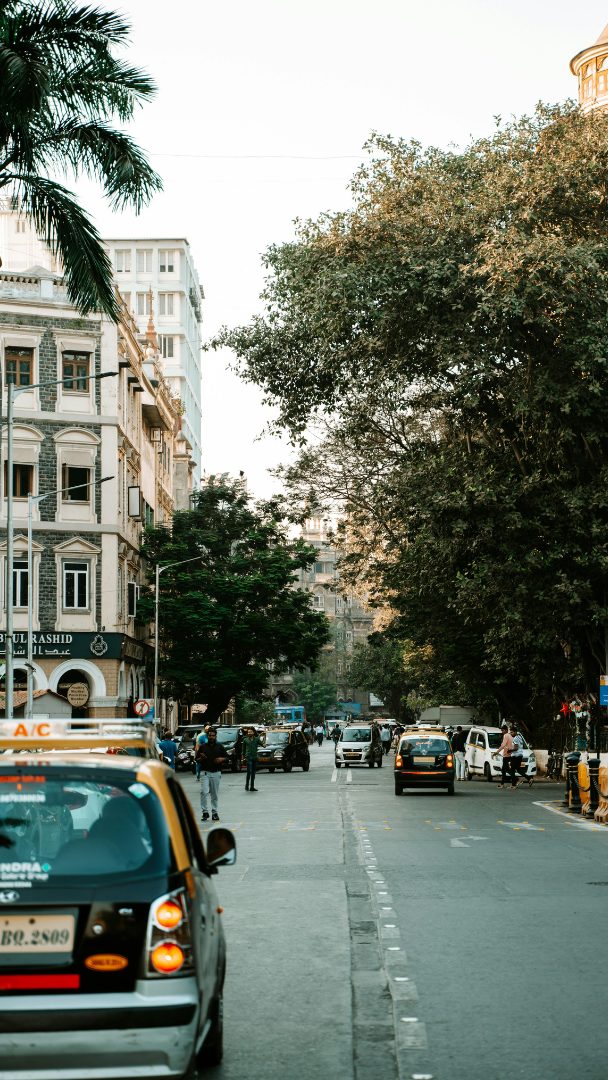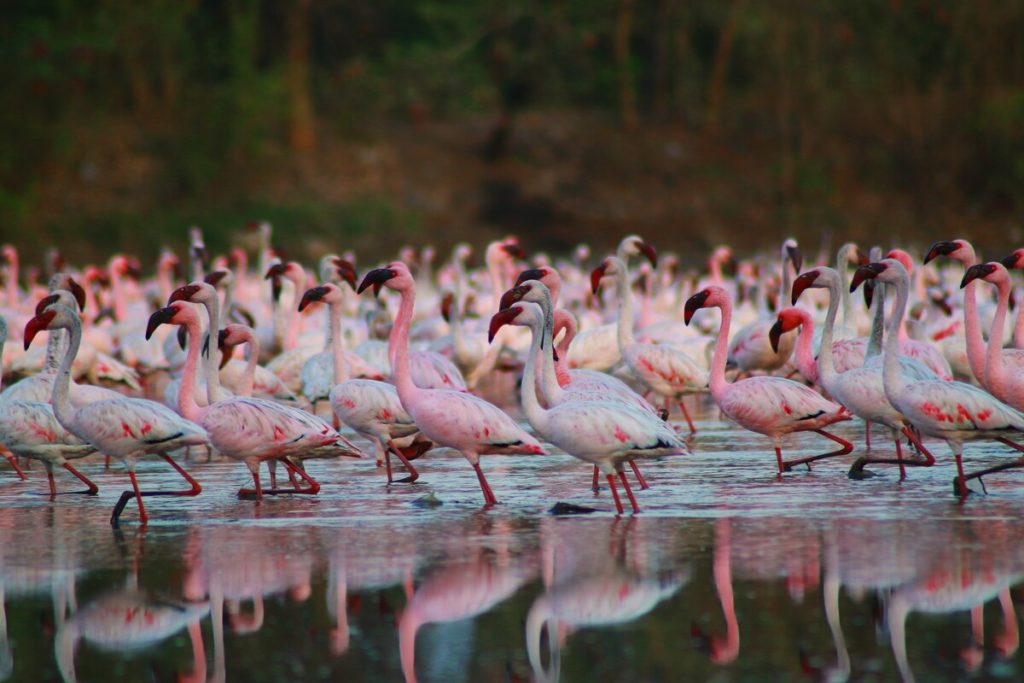
For a city that hustles day and night, Mumbai holds surprising secrets. Beyond the street lights and towering skyscrapers, the hidden wetlands, creeks, and mudflats welcome throngs of pink migrators every year. In the early hours of the winter mornings, hordes of flamingos arrive, unfolding something quietly magical. Whether you are a bird watcher, photographer, or simply looking for a date idea or family outing, spotting these magnificent birds in their natural environment is a magical experience to add to your itinerary. Before the season slips away, here’s our curated guide on where and how to see flamingos in Mumbai.
Top 6 Places To View Flamingos In (And Around) Mumbai
From December to May, as the air gets cooler and nights get longer, flamingos flock to the city’s edges. Early mornings, as the city is gearing up to begin its day, you can spot these magical visitors in their full glory. With short seasons, flamingos’ visit too is only for a few weeks. Blink, and they are gone. They move according to the tides, and thus the best time to spot them is before or after a high tide.
1. Thane Creek Flamingo Sanctuary, Airoli
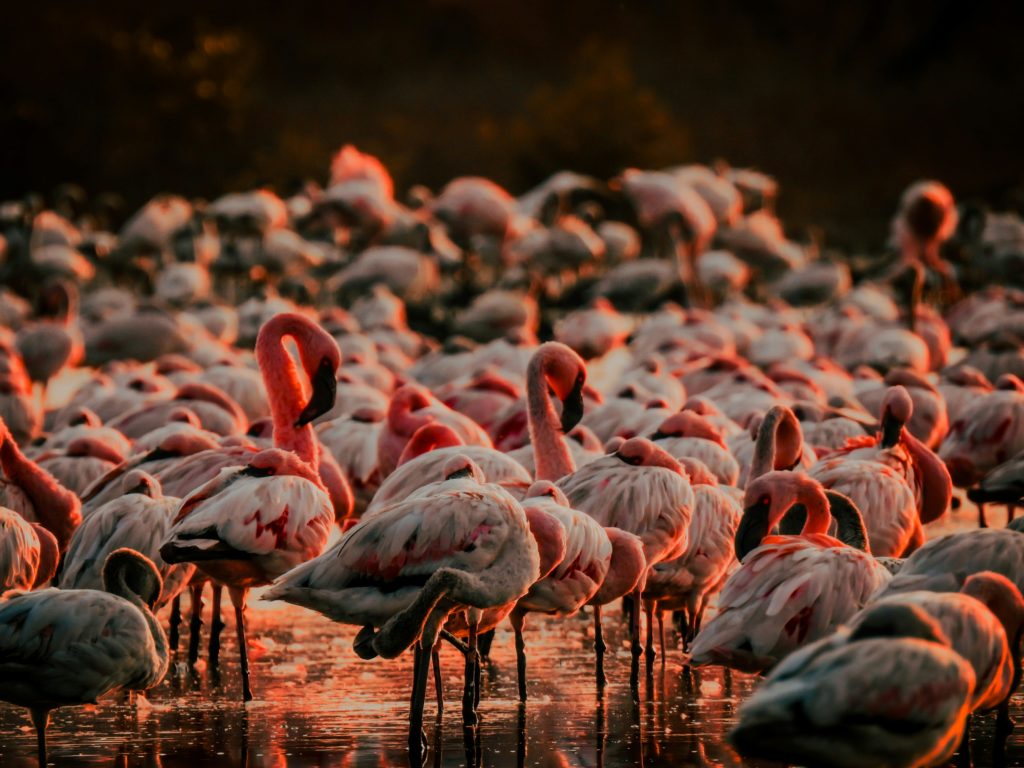
Did you know Navi Mumbai is called the “Flamingo City”? Encased by rising hills, Airoli’s wetlands invite swirling patches of pink flamingos. During low tides, the Thane Creek marshland becomes a thriving ground for algae and thus, a go-to place for watching flamingos in Mumbai. The creek is easily accessible by road and local transport. Moreover, you can take the government-approved boat safari and end the short tour with a marine art workshop.
How to reach: Get on a local train to Nahur station and take a rickshaw to the park. Alternatively, you could take a train to Rabale on the suburban line, followed by a rickshaw to the sanctuary.
Tour price: ₹450/- onwards
Book by calling +919987673737
Pro-tip: Pre-book well before going. There are private and guided tours too. The Airoli side is usually calmer than the Vashi bridge viewpoint.
2. Kharave Flamingo Point, Navi Mumbai
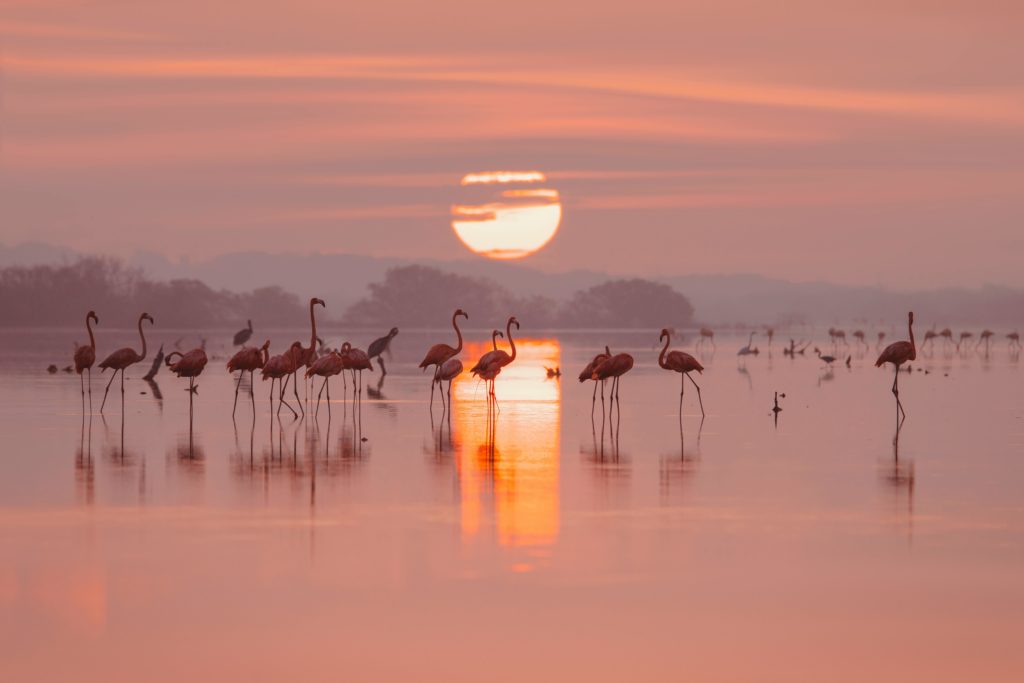
Off the Palm Beach road and located within the Seawoods Flamingo refuge, Kharave Flamingo Point is yet another discovery in Navi Mumbai. While it is not officially part of the Thane Creek sanctuary, it is a neighbourhood window into the same habitat. This place boasts some of the most beautiful sunrise and sunset views, along with canopies of gentle pink hues of flamingos.
How to reach: Take the suburban local train to Seawoods-Darave Station or Nerul Station, and it is only a short auto ride away.
Best Timings: 7 AM to 9 AM or 4 PM to 6 PM
Pro-tips: The road to the beach is narrow, and hence, it is ideal to take a bike or walk to the shore for easier access. Bring your own snacks and water to enjoy by the sea due to a lack of food provisions.
Note: The viewing is generally free. They do not have official tours, but you may find local tour operators around charging approximately ₹300/- for boat rides.
3. Sewri Mangrove Park, Sewri
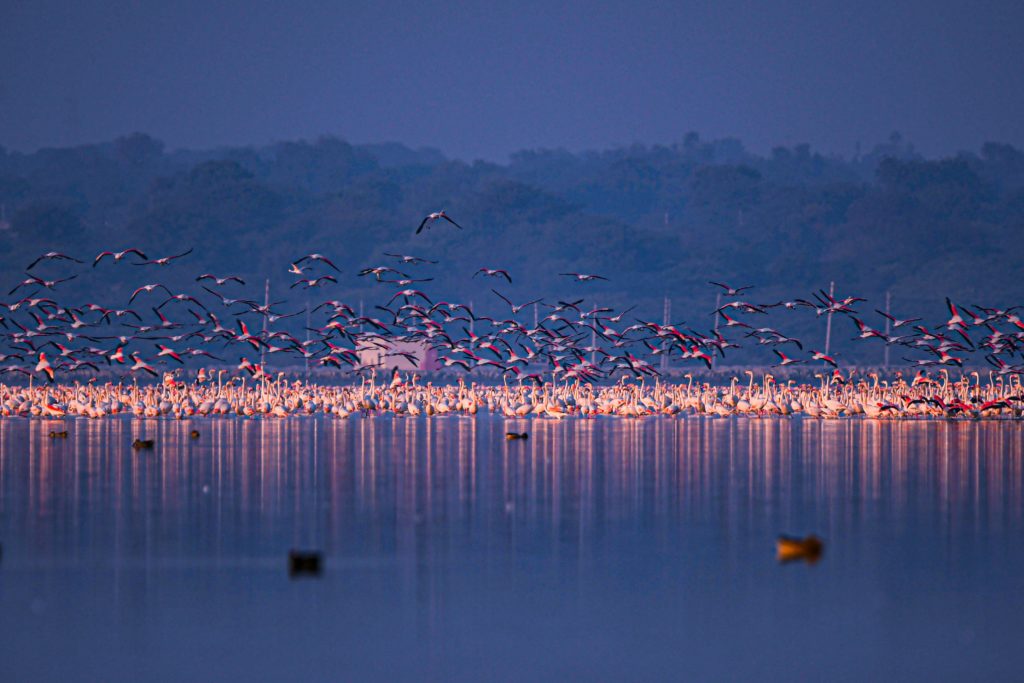
Closest to South Mumbai, Sewri Mangrove Park is right at the beating heart of Mumbai. The mudflat thrives with algae, providing a relishing safe haven for flamingos and other migratory birds. The Bombay Natural History Society (BNHS) has continued to conduct birding research and tours for bird enthusiasts. This was done in hopes of spreading awareness about the birds and their sensitive ecosystem. It certainly is a surreal sight watching these playful birds against the backdrop of industrial Mumbai dockyards and factories.
Note: Due to construction nearby, this popular spot for flamingo watching has remained closed since 2021.
How to get there: Take the harbour line of the Mumbai local straight to Sewri and then a cab to the location.
Best time to go: Early mornings (6 AM to 10 AM during low tide). You can check with BNHS for the same.
Pro-tip: head towards Sewri Fort Road for clearer views. Maintain your distance and keep silent as the birds are sensitive creatures.
4. Panje Wetlands, Uran, Navi Mumbai
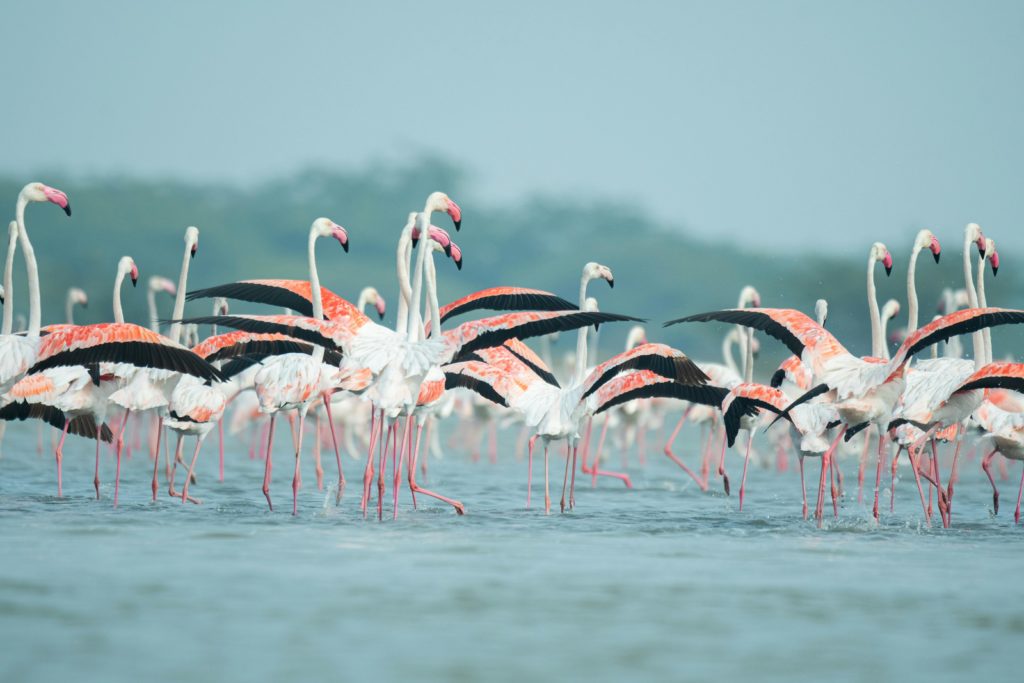
If you are seeking a quieter and crowd-free zone, Panje Wetlands should be on your list. One of the most significant wetlands in the region, Panje is a hotspot for flamingos and other migratory birds. Since the urbanisation of Navi Mumbai, Uran has lost most of its wetlands and mangroves. Panje remains one of the few standing ones, hosting some of the rarest migratory birds. Thus, with privileges of fewer people and greater silence comes the greater urgency to preserve the precious Panje ecosystem.
Note: The ecosystem here is sensitive and endangered. Go only if you are an avid bird enthusiast.
How to get there: Best accessed by car or bike since it is a hard-to-reach and protected place.
Best times to visit: Early mornings during low tide
5. TS Chanakya Birding Point, Nerul, Navi Mumbai
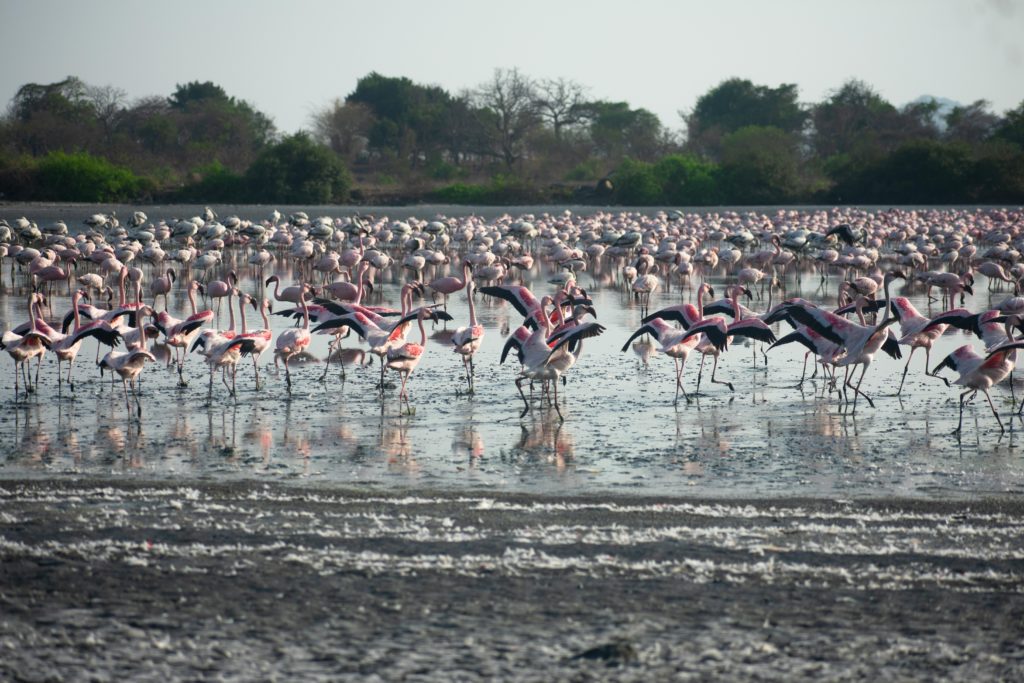
A paradise for waterbirds, TS Chanakya hosts numerous bird species, including the rare species of lesser flamingos. Without the constant push of water during low tide, you can watch flamingos synchronising and relishing the wetlands’ algae. Certainly a treat to the eyes. BNHS hosts bird watching trails early in the morning, along with in-depth insight into diverse species present.
How to get there: You can take a direct local train from CST or the airport directly to Nerul Railway Station, then proceed to the viewpoint with a rickshaw
Best times: Early morning or late afternoon
Pro-tip: Stay for sunset, the viewpoint has one of the most picturesque views
BNHS prices: ₹ 700 onwards (Book by calling at +91-9969798447)
6. Bhigwan, Pune
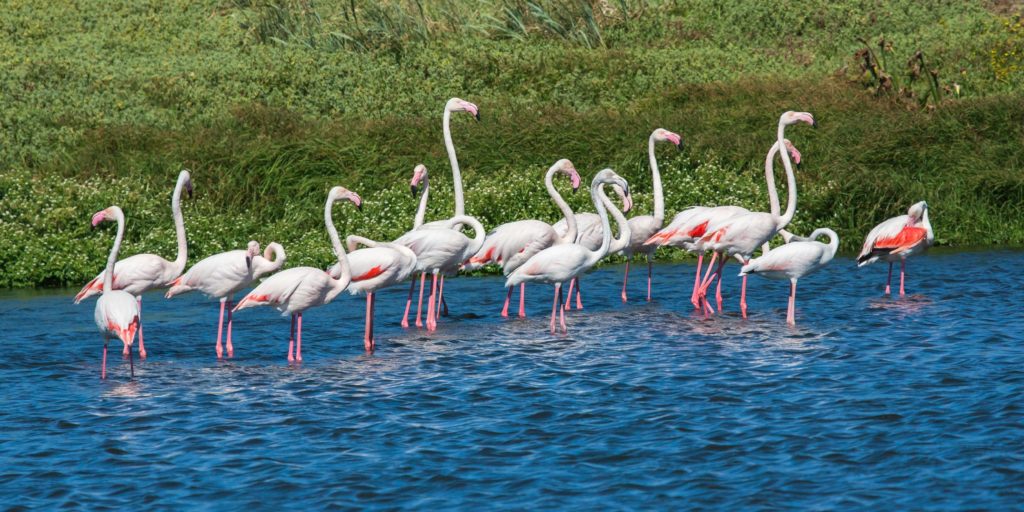
If you are looking for a short drive or a weekend getaway to Pune, the small town of Bhigwan lies only 100 km away. The town lies on the edges of the backwaters of the Ujain dam and attracts a large crowd of pink greater flamingos.
Note: Once you reach Bhigwan, turn left to head to Diksal. The waterfront for birdwatching is 506 km inwards. Ask for ‘Juna Phul’ (Old Bridge). This is the spot where you can spot the magnificent birds and also rent a boat.
You can also head to the village of Kumbhargaon, 2 km away from Bhigwan. You will find sign boards saying “flamingo point” around.
Best timings: Be there before 7 AM (Cooler the weather, more the birds)
Know Before You Go: Insider Tips
- Carry a pair of binoculars to get the best view, as you are not allowed to get very close to the birds.
- If you are going on your own for free, do not walk on the mudflats. They are unsafe, slippery, and harmful to wildlife.
- Flamingos are seasonal visitors. Be respectful, silent, and do not litter. It ensures their safe return the next season.
- Avoid using drones as they can scare away the flock and disturb their natural habitat.
- A good phone camera can do wonders, yet fall short when you are capturing the birds from a distance. If you are a seasonal photographer, a long and big-lensed camera can make all the difference.
- Dusk is the best time to get those viral shots, unless you are chasing sunsets. Post-sunrise, the glare off the water can be harsh.
- Be patient and don’t rush. The quieter you are, the closer the flock comes.
- Avoid using umbrellas and go for hats instead. The fluttering of umbrellas due to the wind can disturb the birds.
- If you take the Harbour line train ride through the Kurla-Mankhurd stretch, you may be surprised by a sweeping view of flamingos at a distance. This fleeting moment makes for undeniable memories.
In the growing concrete jungle of Mumbai, watching flamingos migrate year after year is a beautiful reminder of thriving wildlife. As much as it is spectacular to view, it is also an essential natural phenomenon that maintains the delicate balance of our ecosystem.
As you head to the flamingos for a photo-op, remember every blush of winter is temporary, and that’s what makes it so special.