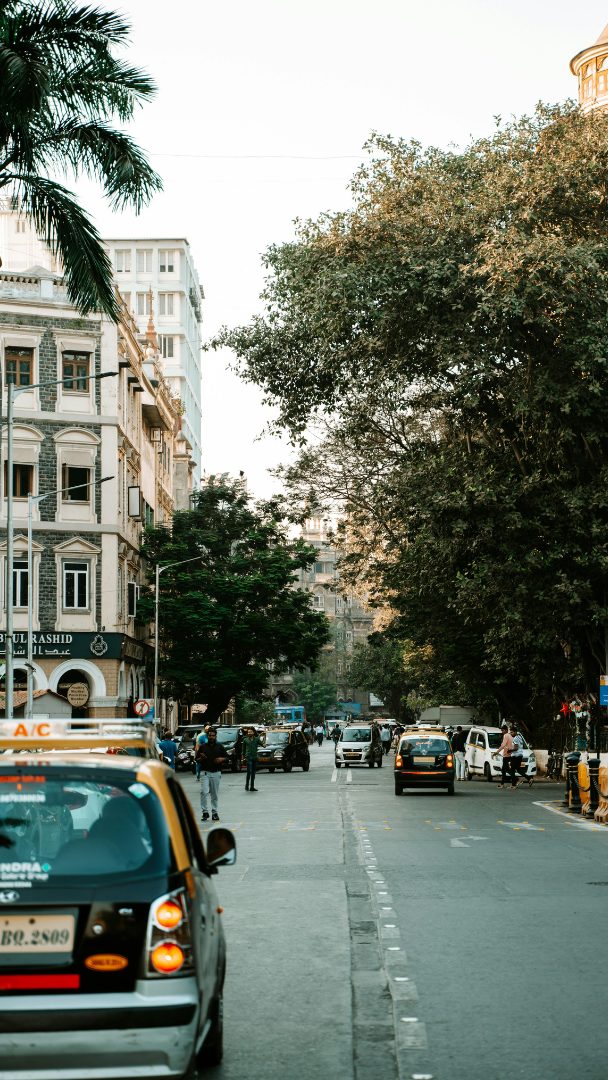

Mumbai’s relentless hustle and rhythm have often been compared to New York’s. Every day, over a million commuters navigate a sea of announcements and dodge crowds to catch the next train. While the Chhatrapati Shivaji Maharaj Terminus has become an integral part of Mumbai’s daily hustle and bustle, one often forgets to relish this 19th-century architectural marvel. Beyond the crowded ticket counters and changing platforms, the terminus hides a fascinating history that escapes everyday gaze. A history that may be forgotten but has woven itself into the city’s story to become India’s financial capital.
Chhatrapati Shivaji Maharaj Terminus: From a Jubilee Project to a UNESCO Landmark
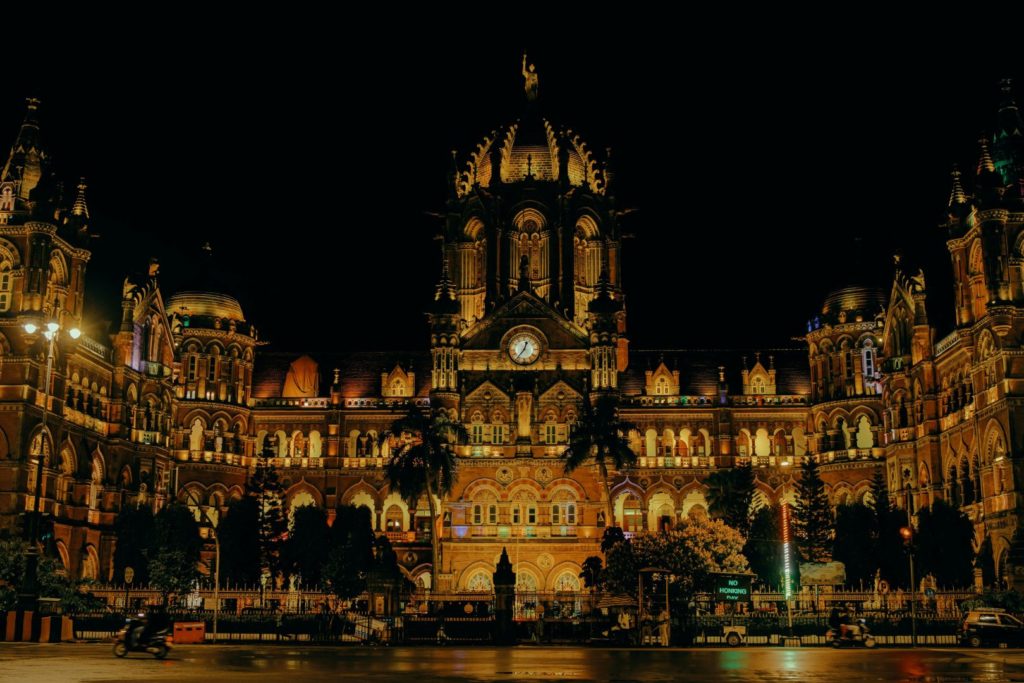
Chhatrapati Shivaji Maharaj Terminus, or locally referred to as CSMT station, stands as a ravishing example of Gothic architecture in the city. Accommodating over 3 million commuters, the railway station stands as one of the busiest working railway stations in the world. While one can find many clicking away its iconic marvel across the street, few reminisce about the story of its former glory. Formerly known as the Victoria Terminus, it was built to commemorate India’s then colonial ruler, Queen Victoria’s Golden Jubilee. However, the city wasn’t new to railways. In fact, close to the site was Bori Bunder, which was the terminus famed for running its very first passenger train in India that ran to Thane in 1853. With architect Frederick William Stevens designing the monumental CSMT project, it took over a decade, from 1878 to 1888, to come to fruition.
Architecture and Inspiration
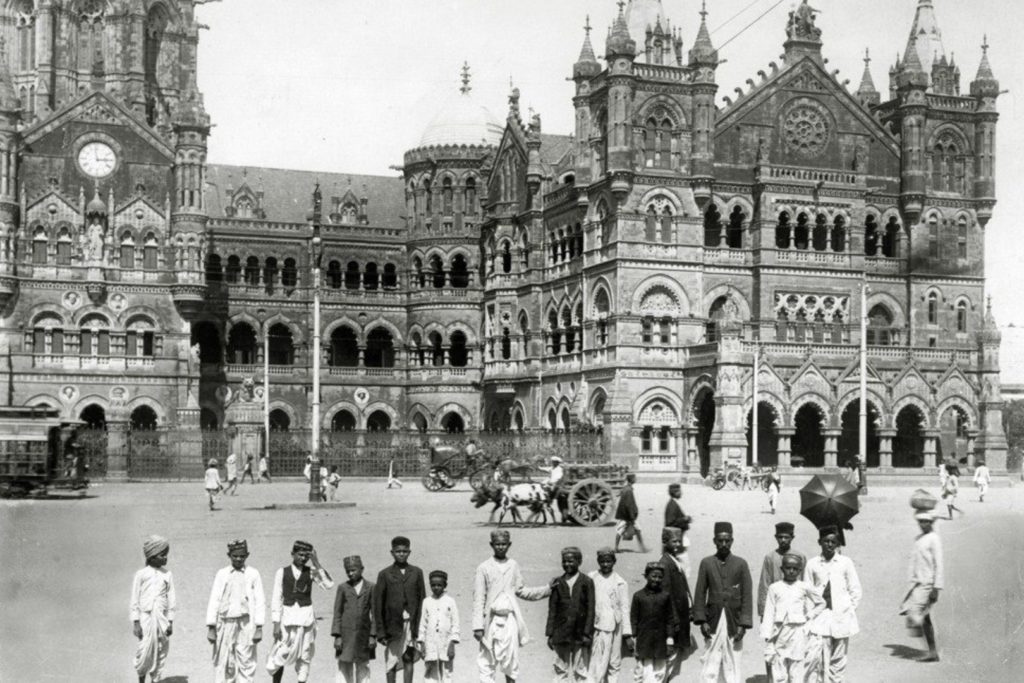
Additionally, it cost approximately 260,000 pounds sterling, a staggering sum that made it the city’s most expensive construction at the time. The design reflects strong Gothic Revival influences borrowed from London’s St Pancras station. However, the sandstone and limestone C-shaped form is actually a reflection of the architecture of the Indian palaces. The stone domes in the corners and centre, jharokas, turrets, and overhanging enclosed balconies are strong remnants of authentic Indian architectural styles. Whereas the castle-like towers and spires are a common reminder of Victorian Italianate Gothic features.
Nevertheless, the true soul of the site relied heavily on local artistry, with Indian craftsmen from the Sir J.J. School of Art executing the complex stone carvings and imposing gargoyles. Ten carved stone medallions stand erect on its front walls. Interestingly, these sculptures pay homage to the men associated with establishing India’s first railway system or building the terminus itself.
The 160-Foot Dome and the Hallmark of Progress
Crowning the CSMT is a massive central 160-foot dome, supporting a 16-foot statue officially named Progress. Passersby frequently mistake this figure for Queen Victoria. However, the station’s tallest statue of the woman thrusting a flaming torch and a spoke wheel, carved from marble by Thomas Earp, symbolises knowledge and the wheel representing progress and transport. Moreover, the statues of the lion and tiger flanking the entrance gate depict Great Britain and India, respectively, emphasising the merging of two great cultures during the mid and late-19th century.
These historic figures take on a new life at night when the facade illuminates in the colours of the Indian flag. Named a UNESCO World Heritage Site in 2004, the station remains a heavily utilised transit hub, dispatching over 1,200 commuter and long-distance trains daily, hiding its centuries-old historical glory in plain sight.
To explore beyond the public platforms, visitors can access the CSMT Heritage Museum. It operates on weekdays from 11 AM to 4 PM. Tickets are priced at ₹200 for students and ₹500 for adults.
Key Information
📅 Monday to Sunday (Museum Timings: Monday to Friday)
⏰4 AM to 2 AM (Museum timings: 11 AM to 4 PM)
💸₹ 500/- for adults (For Museum)
📍Chhatrapati Shivaji Maharaj Terminus(CSMT), Fort