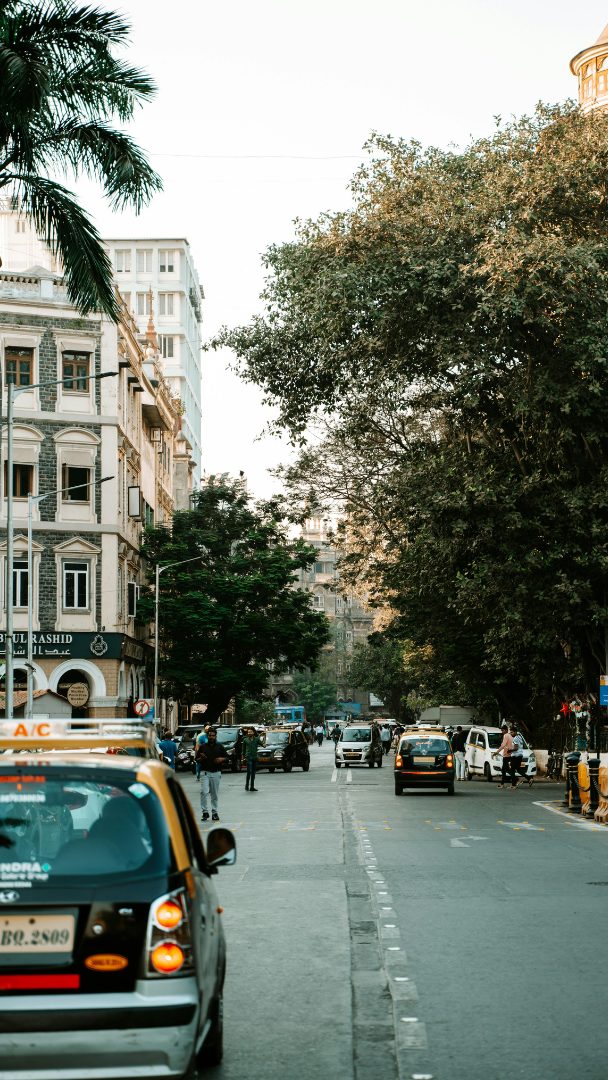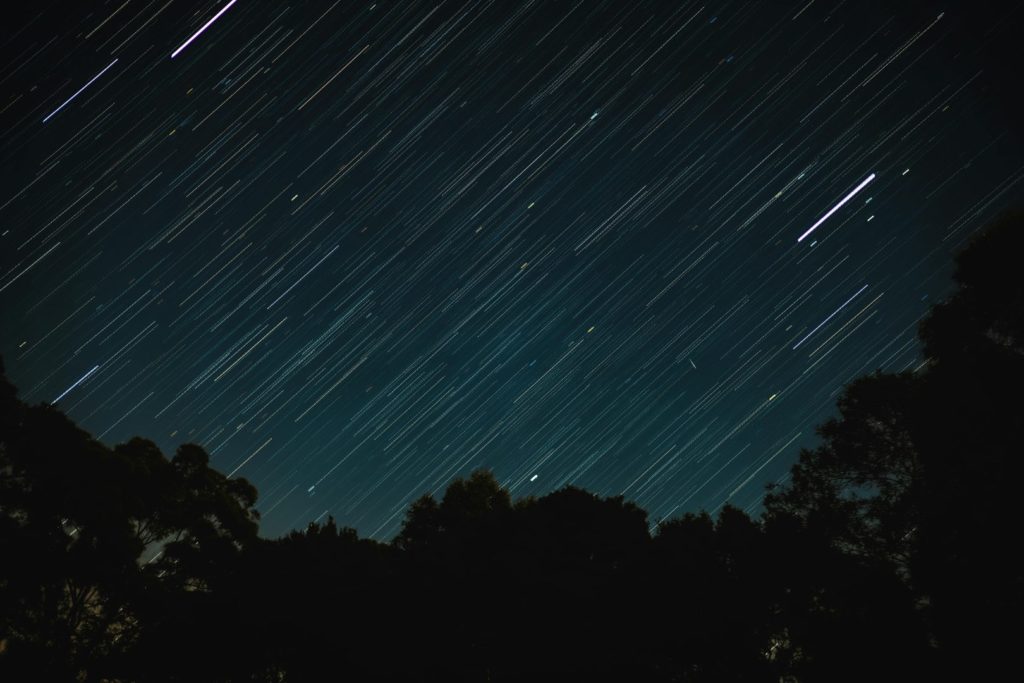

We admit, April in Mumbai is the epitome of blooming flower parks. To add to the spite, the heatwaves are not making it any easier. However, the universe has other plans. Adding to the charms of the season, the Mumbai skies are set to brighten up with a cosmic light show. The annual Lyrid meteor shower, or Lyrids, is on its way for a stunning, unearthly display by the end of April. Before the unforgiving heat takes over, do catch sight of this rare cosmic delight, said to peak on April 21-22.
Lyrid meteor shower 2026
Said to be the world’s oldest recorded meteor showers, the Lyrids are famous for fast, bright flashes and fireballs streaking across night skies. Moreover, they have delighted the human skies for over 2,700 years. For aeons, the ancient Chinese astronomers from 687 BCE have described them as “stars that fell like rain”.
The falling stars have originated from the Comet C/1861 G1 Thatcher, which orbits the sun every 415 years. The Lyrids form when the debris from the comet enters the Earth’s atmosphere at a speed of around 49 km/s and burns due to friction into blazing lights. They radiate from the constellation Lyra, adjacent to Vega, one of the brightest stars in the Northern hemisphere. Thus, the name, Lyrids. Known for their speed and brightness, historically, as many as 100 meteors could be seen falling per hour.
When can you watch the Lyrid Meteor Shower?
NASA and the Royal Museums Greenwich confirm that the peak of the cosmic star show is the night of April 21 into the early hours of April 22. The moon is a 5-day-old crescent that sets early, ensuring a moonless night sky. Thus, this provides the peak viewing window, between 2 AM and 5 AM.
Under ideal conditions of cloudless dark skies, you can expect 10-12 meteors per hour. While Lyrids aren’t the most frequent, they are known to produce occasional fireballs, exceptionally bright streaks that leave glowing dust trails. However, stargazing is not about watching and capturing; it is about endless patience and waiting.
Where to catch the Lyrids around Mumbai?
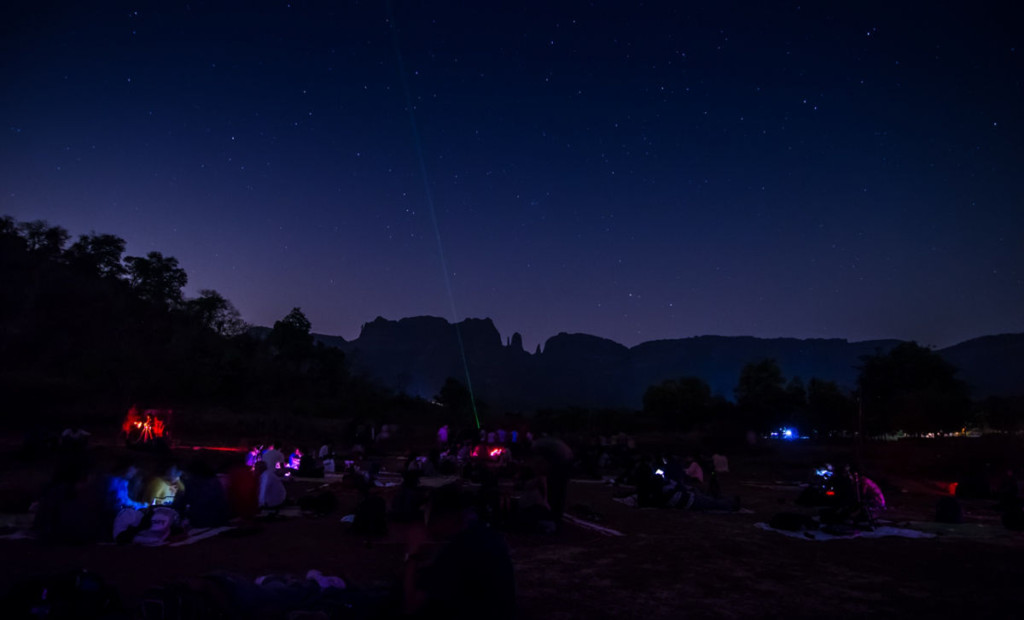
Unfortunately, city skies are the least adapted for a night of stargazing. The light pollution and the heavy air pollution are the main enemies. The nearest spots on the outskirts are the best bets. Especially for Lyrids, one does not need a telescope but a wide, dark patch of sky.
Prabalmachi: With excellent camping grounds and a vast open sky, Prabalmachi is located near Panvel. Since it is located 2,300 feet, the plateau serves as the perfect high ground to watch the stars against the panoramic views of the Sahyadri Hills.
Dolkhamb Village: Located in Thane district, the village is filled with eco-retreats and farm stays. Within the serenity of lakes and the Sahyadri mountain ranges, the vast clear skies away from the city lights are a charm to watch the Lyrids.
Vaitarna: Take a train from CSMT to Kasara, and a ride awaylies the Vaitarna river. There are multiple campsites to book along the river. Along the guzzling melody of water and the extravagant dark skies, the view of the meteor showers are bound to be surreal.
Check out our top recommendations for stargazing near Mumbai here.
Things to keep in mind
- It takes about 20-30 minutes for your eyes to adjust to the dark. So, put your phone away as it can ruin your night vision.
- Carry a red flashlight that helps maintain night vision without disruptions.
- You don’t have to find the constellation Lyra to see the meteors, but looking towards the Northeast sky generally helps.
- Always check cloud cover and weather conditions with AccuWeather or Windy while planning.
- Nigh temperatures can drop, especially in the outskirts of Mumbai so carry a hoodie or blanket.
- Carry bug sprays and cream since natural open areas are the perfect spots for mosquitoes and other bugs to thrive.