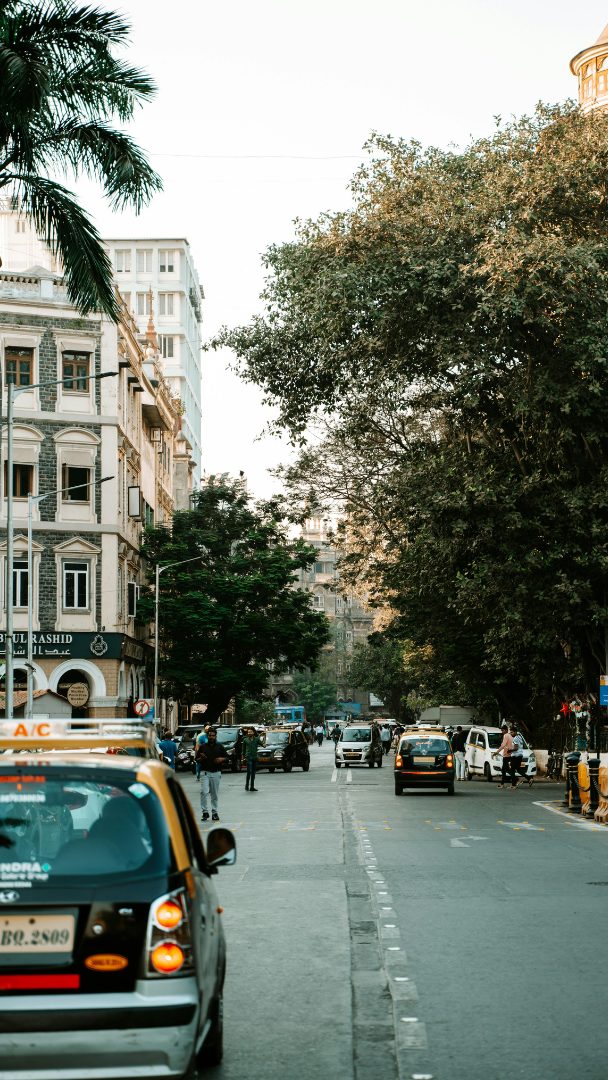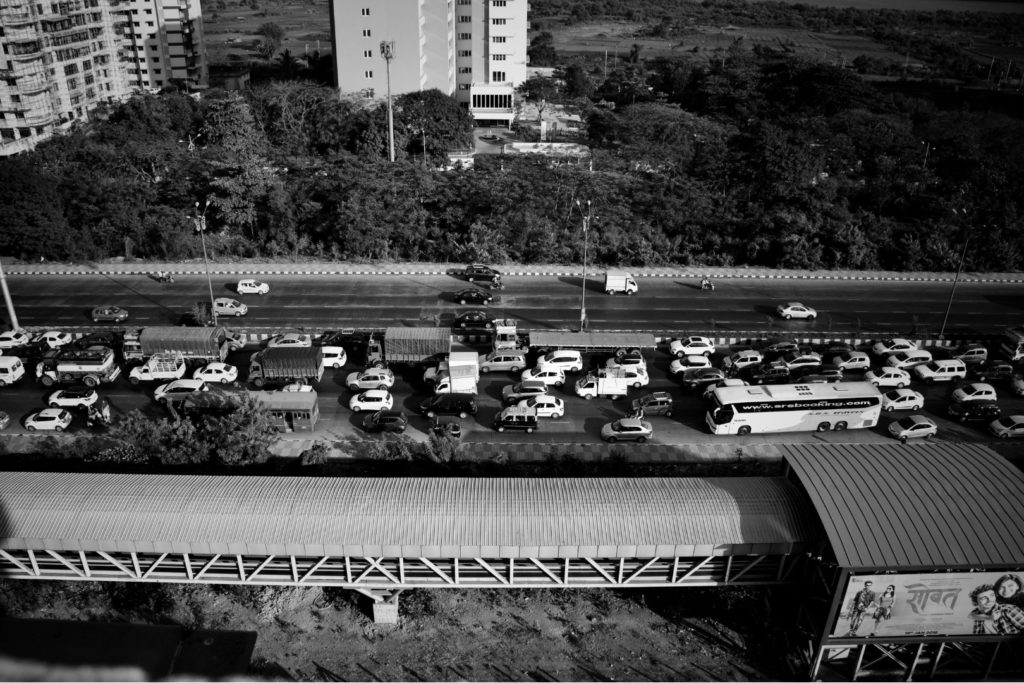

If you find yourself heading to Bandra after a long week, your Fridays are about to look very different. Mumbai is infamous for heavy traffic congestion, especially during peak hour traffic blocks at Mumbai’s premier district, Bandra Kurla Complex (BKC). It sees a thousand vehicular footfall every day, contributing to heavy air pollution and unpleasant trips. This World Environment Day, Mumbai Metropolitan Region Development Authority (MMRDA) announced its latest initiative, ‘BKC Weekly Public Transport Day’. Under this plan, every Friday will be a no-car day, encouraging commuters to travel by train, metro, and bus instead. The first-of-its-kind programme is set to begin on Friday, June 12, 2026, with a closely monitored trial run of three to four months.
BKC No Car Fridays
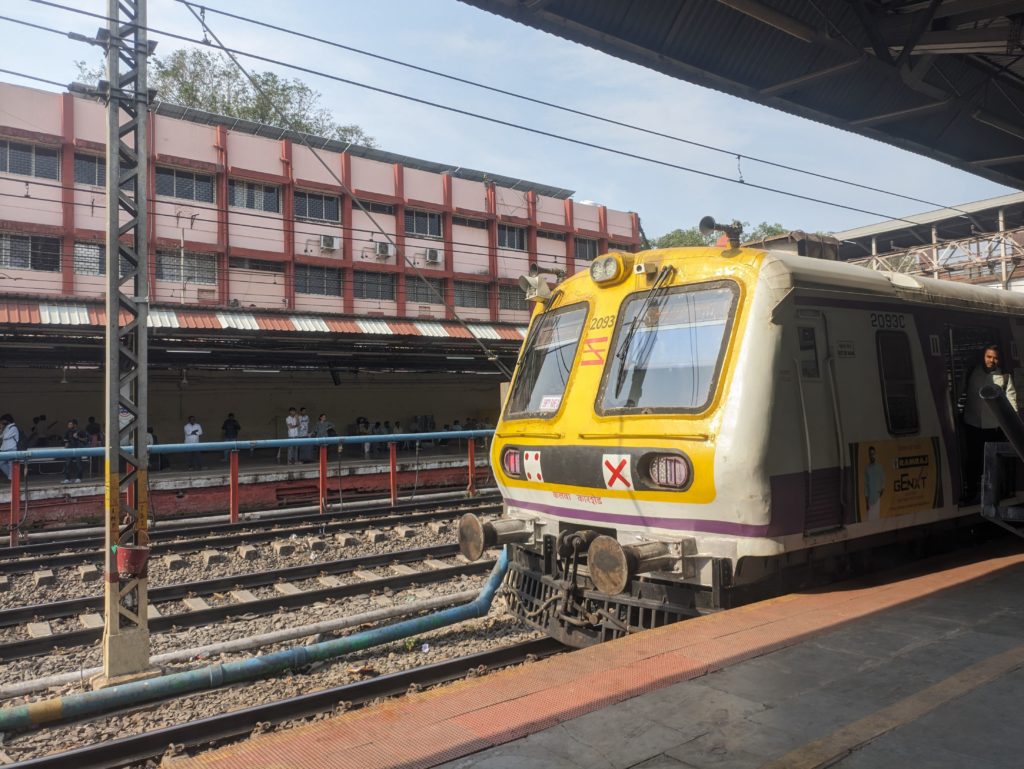
The initiative comes in partnership with BEST, Mumbai Metro Rail Corporation (MMRCL), the traffic police, auto-rickshaw unions, and WRI India. Moreover, the plan has received in-principle backing from around 90 organisations and companies around BKC. The implementation is said to affect nearly 2 Lakh professionals moving in and out of the gridlock in the premier district. Furthermore, the move to reduce vehicular road traffic aims to decrease traffic congestion and encourage sustainable travel.
If not car, then what?
The BKC no-car Fridays are to encourage the use of public transport. The nearest suburban railway stations are Bandra and Kurla. Moreover, the Metro Line 3 or Aqua Line has direct connectivity to Aarey JVLR and Cuffe Parade. There are also 100 BEST buses with five to six feeder routes, along with the usual availability of autorickshaws and bike taxis. The MMRDA has directed nearly 2000 employees to participate in the programme.
Nevertheless, the key concerns remain the last-mile connectivity of train stations and inadequate pedestrian pathway infrastructure, which makes the usage of public transport unpopular. Authorities and partner agencies in BKC are working together to identify immediate and long-term solutions. Additionally, there are proposals to convert facilities for BEST buses at major junctions to improve efficiency and utilisation. The internal roads within large office campuses may also open to reduce pedestrian walk time. Long-term plans also involve the creation of all-weather footpaths with and without shaded roofs. Officials and corporate representatives also plan to reward incentives for regular public transport usage, reimbursements, and recognition programmes.
Why Fridays?
According to authorities, Fridays are more flexible in terms of corporate attendance and schedules. This allows commuters to be more willing to try alternative travel options. While Mondays remain high-pressure days to reach work on time for meetings and stand-ups.
Authorities will further identify bottlenecks every week and introduce corrective measures accordingly. Surveys suggest that 82% of commuters are likely to use public transport if services become more reliable and convenient with better connectivity. Amongst the considerations are dedicated U-turns and turning facilities for BEST buses.
While the move is to encourage consumer behaviour, car-free Fridays may just be a start to solve increased traffic issues.